


Can I Score 95+ Above in 10th Boards? Your Ultimate Guide to Success!
Hello there, my dear students! I am so glad you are here. Whether I see you in the hallways of Khaitan Public School or you are joining me from across the country, I want you to take a deep breath.
The big question on everyone’s mind is: Can I score 95+ above in 10th boards?
The short answer? Yes, absolutely. I have seen students start from “average” scores and climb all the way to the top. It isn’t about being a “genius.” It is about having a solid plan, staying consistent, and believing in yourself.
In this guide, we are going to break down the exact class 10 board exam preparation strategy you need to join the 95% club. Let’s get started!
The Reality Check: What Does 95% Look Like?
To understand how to score 95 percent in class 10, we first need to look at the numbers. Did you know that in 2025, only about 1.92% of all students who gave the exam scored above 95%?
While that sounds small, it means over 45,000 students did it! At schools like Khaitan Public School, we use a research-led approach to make sure our students are in that top group.
Historical Performance (At a Glance)
| Academic Year | Candidates Scoring >95% |
| 2023 | 44,297 |
| 2024 | 47,983 |
| 2025 | 45,516 |
Success in boards is about Quality over Quantity. If you use the right techniques, you can score high marks while still having time to sleep and eat your favorite snacks.
Step 1: Understand the New 2026 Exam Pattern
The CBSE has changed the rules for the 2025-2026 session. They are moving away from “rote learning” (memorizing everything like a robot) and moving toward Competency-Based Learning.
The 2026 Question Mix:
50% Competency Questions: These include MCQs, case studies, and real-life problems.
20% Objective Questions: Multiple Choice.
30% Traditional Questions: Short and long answers.
What this means for you: You can’t just “fill pages” anymore. You need to understand why things happen to get those marks.
Step 2: Master the Syllabus (The “NCERT is King” Rule)
If you want to know how to score 95 percent in class 10, the first secret is your textbook. Many students buy expensive side books and forget their NCERT.
Science & Maths: 90% of the questions come directly from NCERT concepts or examples.
Social Science: Every line in the NCERT can be a potential 1-mark or 3-mark question.
English: Don’t just read the summary. Read the actual chapters to catch those tricky “Extract-based” questions.
Pros and Cons of Using Extra Reference Books
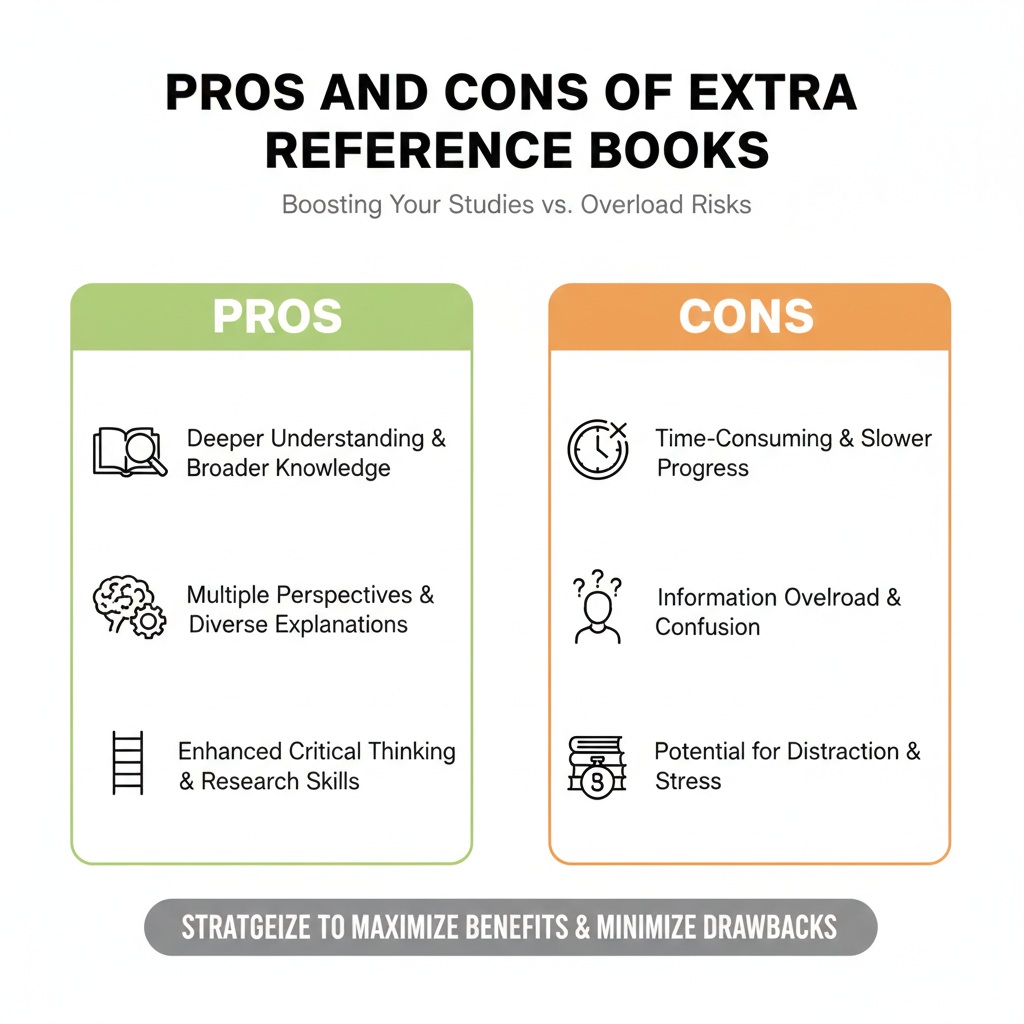
| Pros | Cons |
| Extra practice for hard subjects like Maths. | Can create confusion with different methods. |
| Helps with high-level “HOTS” questions. | Takes away time from the core NCERT text. |
| Good for mock test papers. | Often contains “fluff” not needed for boards. |
Step 3: Subject-Wise Blueprints for 95+
Every subject has a specific “weightage” (how many marks each chapter is worth). Here is your cheat sheet:
Mathematics: The 80/20 Rule
You have 80 marks for theory and 20 for internals. Do not ignore your internals! Getting a 20/20 in school makes your 95% goal much easier.
| Unit | Topic | Marks |
| I | Number Systems | 06 |
| II | Algebra | 20 |
| III | Geometry | 15 |
| IV | Trigonometry | 12 |
| V | Statistics & Probability | 11 |
Science: The Three Domains
In 2026, Biology has a very high weightage (30 marks out of 80).
Biology (30 Marks): Practice your diagrams! Label them clearly.
Chemistry (25 Marks): Write down every chemical reaction and practice balancing them.
Physics (25 Marks): Focus on numericals and ray diagrams.
Social Science: The Balanced Four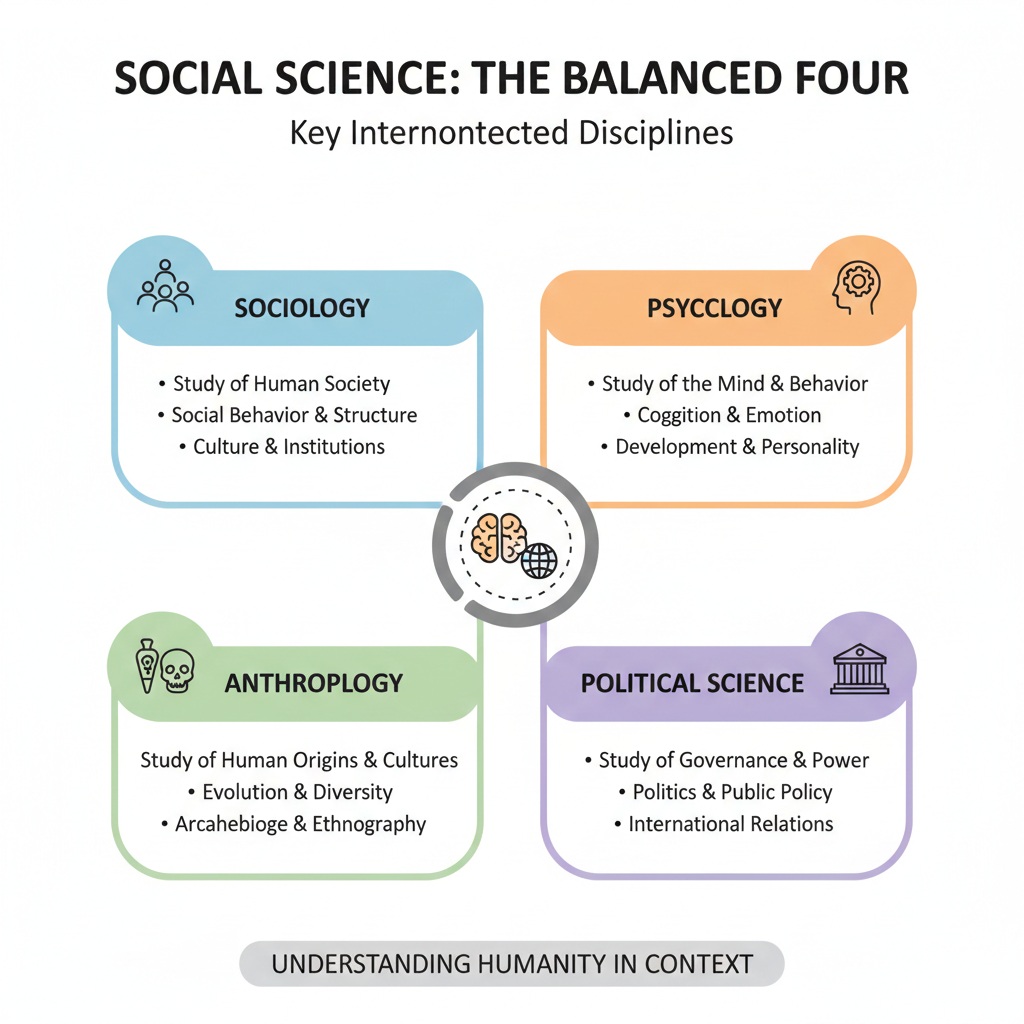
History, Geography, Political Science, and Economics each carry 20 marks.
Map Work: This is 5 marks of “free” points. Practice maps once a week!
Answer Writing: Always write in bullet points. Examiners love neat, point-wise answers.
Step 4: Use “Brain Science” to Study Smarter
Achieving a 95+ score is about how your brain works. Here are three scientifically proven tips to score 95+ in 10th boards:
Active Recall: Instead of just reading a chapter, close the book and try to write down everything you remember. This is called a “Brain Dump.”
Spaced Repetition: Don’t study a chapter and forget it. Review it after 1 day, then 3 days, then 1 week. This stops the “Forgetting Curve.”
The Pomodoro Technique: Study for 25 minutes, then take a 5-minute break. This keeps your focus high. For subjects like Maths, you can try a 45-minute study/10-minute break split.
Step 5: The “Khaitan Way” – Beyond the Books
At Khaitan Public School, we believe that a happy student is a successful student. To reach that 95% mark, you need to take care of your “Human Element.”
The Sleep Rule: You need 7-9 hours of sleep. Your brain “saves” your study data while you sleep. If you don’t sleep, you lose what you learned!
Brain Foods: Eat walnuts, almonds, and complex carbs like oats. Avoid high-sugar snacks that make you feel tired later.
The 15-Minute Rule: Use the first 15 minutes of your exam to read the paper. Mark the “command words” like Explain, Compare, or Justify so you don’t give the wrong type of answer.
Common Pitfalls: Why Students Fail to Hit 95%
The Rote Learning Trap: Memorizing without understanding. With 50% competency questions, you must understand the “why.”
Ignoring Languages: A 75/100 in Hindi or English will pull down your average even if you get 100/100 in Maths. Watch out for spelling mistakes!
Messy Paper: If the examiner can’t read your answer, they can’t give you marks. Underline your keywords with a pencil.
Summary: Your Checklist for 95%+
| Task | Status |
| Finish NCERT & Exemplar twice | |
| Solve last 5–10 years PYQs | |
| Secure 20/20 in Internal Assessments | |
| Practice “Analytical Paragraphs” for English | |
| 8 hours of sleep and healthy diet |
Final Thoughts from Your Teacher
So, can you score 95+ above in 10th boards?
By now, you should know the answer is a big YES. You have the brain, you have the resources, and now you have the strategy. The 2026 boards are a test of how well you can apply what you know.
At Khaitan Public School, we are always here to guide you through experiential learning and research-led strategies. Don’t worry about the big number; just focus on winning today’s study session.